Comprehensive Plumbing Services to Resolve All Your Issues
Professional plumbing services offer a variety of remedies customized to resolve both limited and extensive issues. From water problems to involved restorations, seasoned technicians can successfully overcome these hurdles. Regular maintenance takes on an pivotal responsibility in prolonging the term of plumbing systems. However, many property dwellers remain uncertain about when to seek professional support. Comprehending these complexities can greatly impact the efficiency and soundness of one's residential setting. What aspects should one deliberate before settling on that resolution?
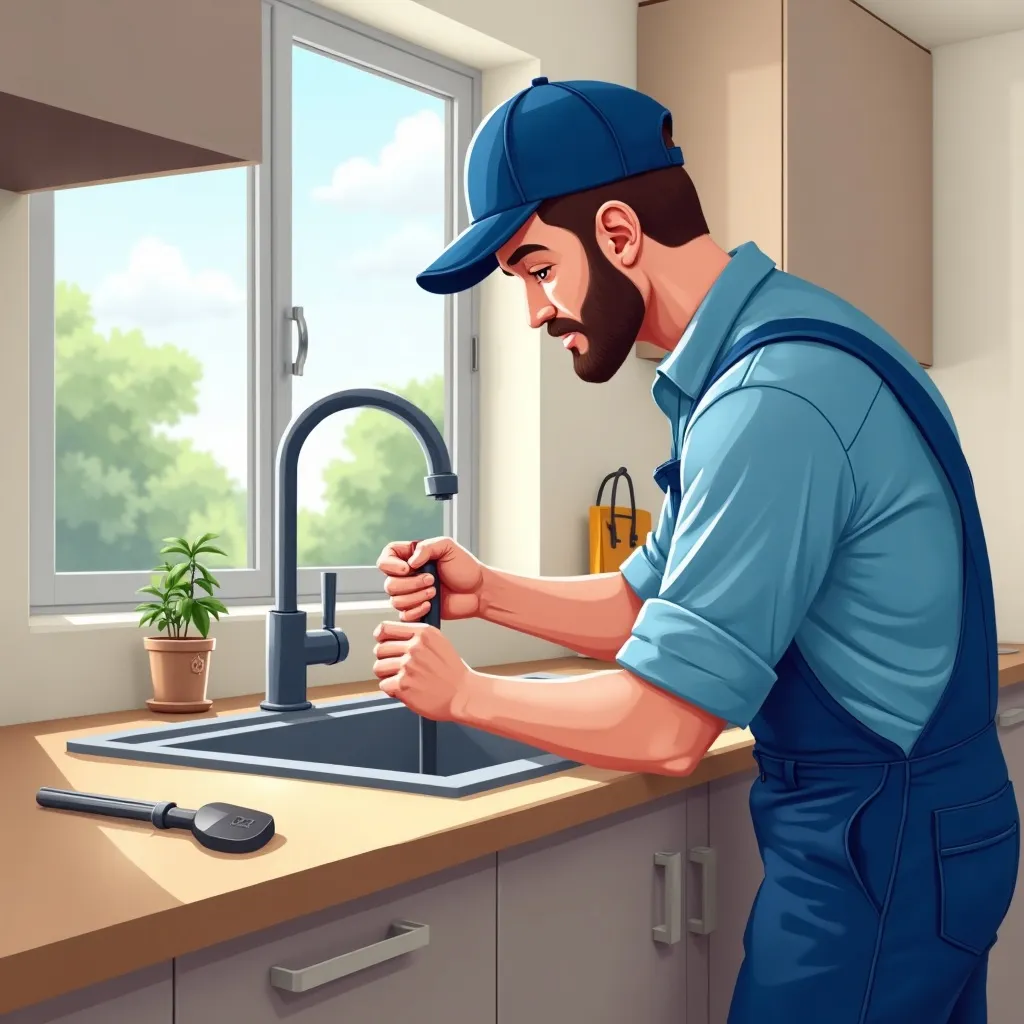
Identifying Common Plumbing Issues and Solutions
Spotting frequent plumbing issues demands a careful observation and knowledge of frequent household problems. Homeowners regularly deal with leaks, blockages, and insufficient water pressure. Leaking fixtures and plumbing lines can create structural damage from water and escalating water expenses, whereas backed-up drains can come from accumulation of debris, grease, or foreign objects. Diminished water pressure may come from buildup of minerals in pipes or problems with the municipal supply.
To tackle these challenges, swift action is essential. For water seepage, homeowners should examine fittings and seals, tightening or replacing as needed. Clearing clogs may require using a plunger, drain snake, or a combination of baking soda and vinegar. Low water pressure can sometimes be remedied by cleaning faucet aerators or contacting professional assistance for more intricate issues. Identifying these typical plumbing problems allows homeowners to execute timely solutions and copyright a working plumbing system.
Why Periodic Plumbing Inspection Is Crucial
Regular plumbing maintenance is essential for property owners seeking to prevent costly emergencies. By tackling minor issues before they escalate, individuals can significantly prolong the longevity of their plumbing systems. This proactive approach not only reduces costs but also ensures reliable performance over time.
Avert Costly Emergency Situations
Proactive pipe upkeep can save homeowners from unexpected disasters and expensive fixes. Frequent check-ups allow for the timely identification of potential issues such as leaks, clogs, and rust damage. By addressing these issues before they escalate, homeowners can prevent urgent crises that may lead to extensive water damage and expensive restoration costs. Regular upkeep also ensures that components like pipes and fixtures operate smoothly, reducing the chance of sudden failures. Additionally, scheduled check-ups can help identify wear and tear that might go unnoticed, enabling for prompt actions. Ultimately, investing in routine pipe care is a strategic decision that promotes peace of mind and protects the home against pipe crises.
Prolong System Operational Life
Maintaining a plumbing infrastructure is crucial for prolonging its life and ensuring peak performance. Routine upkeep helps detect and fix potential issues before they escalate, minimizing damage on pipes, fixtures, and appliances. Regular checks can uncover water leaks, rust, and clogs, enabling timely interventions that prevent costly repairs. Additionally, preserving optimal water pressure and purity contributes to the longevity of the plumbing infrastructure. Property owners who commit to routine upkeep can also enhance their system efficiency, resulting in reduced energy costs. Overall, preventive maintenance not only safeguards the plumbing system but also encourages a more hygienic home, rendering consistent upkeep a smart and essential commitment.
Introduction on Stopping Common Plumbing Complications Using Regular Care
Quality pipe maintenance is essential for decreasing the risk of everyday problems such as leaks, blockages, and corrosion of pipes. Regular inspections of pipes, faucets, and fixtures can assist in finding emerging problems before they escalate. Homeowners should periodically check for moisture marks and dampness, as these may indicate concealed water seepage. Additionally, flushing drains every month with a blend of vinegar and baking soda can stop buildup and blockages.
Correct management of materials, including grease and non-biodegradable materials, is important to keeping pipes clear. Additionally, protecting exposed pipes can safeguard them from freezing and cracking during colder months. Routinely maintaining water pressure and temperature can also extend the lifespan of plumbing systems. Through implementing these proactive measures, individuals can substantially reduce the likelihood of plumbing emergencies, guaranteeing a more efficient and reliable system.
Why Working with Professional Plumbers Cuts You Hours and Money
Employing professional plumbers brings major advantages that can finally save both time and money. Their knowledge minimizes the risk of costly mistakes during fixes or installations. Furthermore, investing in skilled services usually results in long-term cost savings through efficient and durable solutions.
Expertise decreases Mistakes
Retaining a qualified plumber can substantially lower the probability of expensive mistakes in plumbing projects. Their training and knowledge supply them with the comprehension to spot and address issues that may be missed by amateurs. From selecting appropriate supplies to using proper methods, professionals ensure that the work is completed correctly the first time. This proficiency reduces the likelihood of deterioration, including water seepage or pressure issues, which can stem from faulty installations. Moreover, veteran professionals keep up with the latest regulations and requirements, ensuring adherence and additionally reducing the probability of future difficulties. By investing in professional services, homeowners save time and mitigate the frustrations and expenses associated with inexperienced errors.
Long-Term Cost Benefits
Professional plumbing services not only minimize errors but also contribute greatly to long-term cost savings for homeowners. By hiring experienced plumbers, individuals can avoid costly repairs resulting from DIY errors. Experts hold the tools and skills needed to pinpoint problems correctly and deliver efficient solutions, avoiding repeated problems caused by unskilled attempts. Moreover, licensed plumbers usually have access to premium materials at better rates, securing durability and efficiency. This proactive approach reduces the likelihood of emergency situations, which can be financially burdensome. Over time, the investment in professional plumbing services pays off through lower utility bills and enhanced property value, ultimately allowing homeowners to enjoy peace of mind while saving money.
When Should You Tackle It Yourself vs. Calling a Professional?
When dealing with plumbing problems, how does one determine whether to handle the problem on your own or obtain expert help? The decision often depends on the severity and complexity of the situation. Minor issues, such as a clogged sink or a leaky faucet, may be doable for those with simple equipment and a little understanding. However, more significant issues, like significant leaks or extensive pipe damage, typically require professional intervention due to the risk for further problems.
Additionally, individuals should evaluate their own skill level and knowledge. If uncertainty exists about how to proceed, calling a specialist can avert expensive errors. Protection is another vital element; any work involving gas lines or electrical work should always be delegated to trained specialists. Finally, weighing the potential risks and costs against individual competence can help homeowners in making the right selection between DIY efforts and hiring a plumbing professional.
Picking the Right Plumbing Company for What You Need
Finding an appropriate plumbing service can be tricky, especially since various variables determine the decision. Homeowners must initially evaluate their specific needs, whether it involves regular upkeep, emergency repairs, or installation services. Investigating candidate providers is critical; checking web reviews, testimonials, and credentials can provide perspective into their reliability and workmanship.
Additionally, acquiring multiple quotes can help assess fair pricing. It is important to inquire into protection plans and assurances on labor provided, as this indicates the company's confidence in their work. Insurance and licensing are critical; reputable plumbers will maintain the required qualifications to operate legally and protect homeowners from liability.
Finally, take stock of the company's responsiveness and presence, vitally in urgent circumstances. A trustworthy plumbing service should be accessible and ready to manage time-sensitive problems promptly, ensuring tranquility for the homeowner. By examining these factors, people can arrive at sound choices customized to their plumbing demands.
Frequently Commonly Posed Questions
What Are the Signals of a Concealed Plumbing Leak?
Indicators of a concealed plumbing leak consist of unexplained water bills, wet patches on walls and ceilings, mildew development, a consistent moldy smell, water pooling in unusual locations, and a decrease in water pressure throughout the home.
How Can I Locate My Main Water Shutoff Valve?
To discover the main water shut-off valve, one should check near the perimeter of the house, often in basements, crawl spaces, or garages. It typically appears as a round or lever-type valve on a water line.
What May I Handle in a Pipe Disaster?
In a plumbing emergency, one should first shut off the main water supply, assess the situation, and stop any leaks from spreading. If necessary, contacting a professional plumber promptly is advisable to avoid additional damage.
Are environmentally conscious plumbing alternatives available?
Yes, environmentally conscious water system solutions are accessible. These include low-flow fixtures, on-demand water heating systems, and eco-conscious components. Such choices not only conserve water but also promote energy efficiency, benefiting both the ecosystem and residents' monthly expenses.
How Often Should I Inspect My Plumbing?
An annual inspection of your plumbing setup is recommended. key information Frequent checks can identify leaks, corrosion, or obstructions before they worsen, reducing high-cost fixes and maintaining the system running effectively. Residents typically gain benefits from expert assessments periodically.